
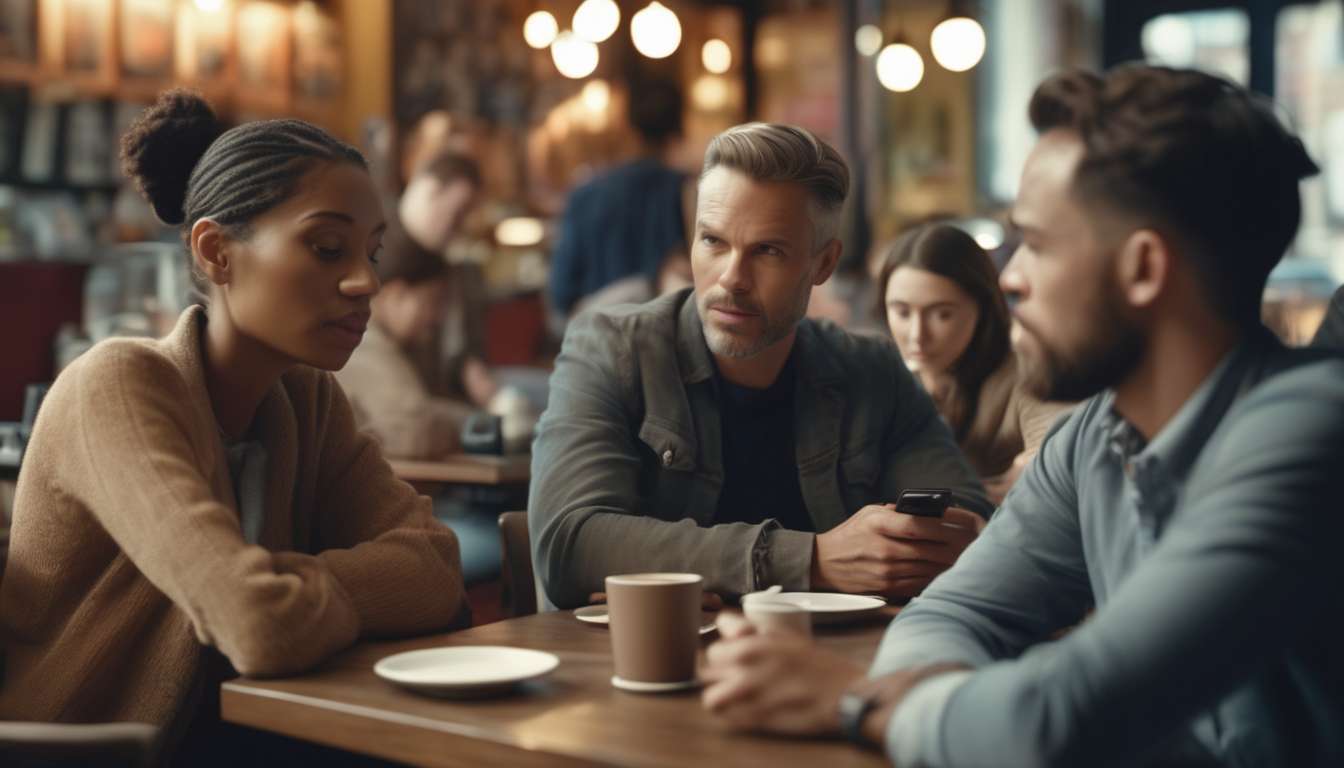
Growing up, many of us were taught that adult dating is either a frivolous pastime or a moral failing — a myth that still shapes headlines and hearts alike.
We watch news segments that frame dating apps as dangerous playgrounds, read think pieces that reduce middle-aged romance to midlife crises, and scroll social feeds where sensational anecdotes drown out steady experiences.
That misconception narrows public empathy and distorts policy, pressuring individuals to conform to narrow timelines and stigmatized behaviors.
As we unpack how media narratives form and spread, we aim to reveal how repeated tropes — from alarmist language to selective storytelling — skew perceptions of consent, commitment, and legitimacy in adult relationships.
By tracing these representations across outlets and platforms, we seek to understand the real consequences:
- who gains authority
- who is pushed to the margins
- how more balanced coverage might foster healthier, more inclusive views of adult dating
Media Tropes and Bias
We identify recurring media tropes and biases that shape how adult dating is framed.
- These tropes simplify complex relationships into sensational or moralized narratives.
- They reward neat, attention-grabbing stories over nuance, making many real experiences invisible.
We notice ageism threaded through headlines and coverage.
- Desire and companionship are often treated as surprising or problematic past certain ages.
- This pushes people into corners and tells narrow stories that erase varied lived experiences.
We call out the role of platform algorithms and editorial incentives.
- Algorithms amplify a few portrayals, rewarding content that fits familiar tropes while burying nuanced voices.
- Editorial choices and technological incentives together shape norms about who is visible and who is sidelined.
We recognize the real effects on representation and belonging.
- Systemic tendencies affect who feels seen and who feels sidelined.
- We want everyone to feel part of the conversation, not a case study.
We map patterns to help readers spot bias and demand broader representation.
- Which images recur.
- Which voices are missing.
- Which labels are imposed.
We will keep examining these forces to encourage better reporting.
- Goal: foster coverage that respects complexity and promotes belonging rather than reinforcing stereotypes.
Sensationalism in Reporting
We call out reporters and outlets that prioritize shock value over substance.
Sensational headlines distort realities and shape public attitudes about adult dating. They reward clicks and erode the nuanced conversations we need by amplifying selective anecdotes. Platform algorithms compound the problem by promoting outrage over accuracy.
We want reporting that respects lived experiences and builds community rather than fueling division. That requires resisting easy tropes and demanding context, including:
- Systemic factors
- Consent
- Changing norms
- Diverse motivations
We urge editors and newsrooms to balance attention-grabbing ledes with rigorous sourcing. That means:
- Verifying claims and using representative data.
- Including voices across age groups and backgrounds.
- Contextualizing anecdotes within broader trends.
- Avoiding ageist shorthand and spectacle.
We encourage readers to question headlines that trade compassion for drama. By calling out sensationalism and its interplay with algorithmic incentives, we protect space for thoughtful dialogue.
Together, we can insist on coverage that recognizes dignity across generations. We will not let complex adult dating be reduced to spectacle or shorthand driven by ageism.
Ageism and Stereotypes
Too often we let stereotypes about older adults dictate the narrative around dating, silencing diverse experiences and simplifying complex realities.
We see ageism threaded through headlines that prefer novelty over nuance, and we push back because belonging means honoring varied lives.
We know sensationalism boosts clicks, so we question stories that reduce people to punchlines or caricatures.
We also recognize platform algorithms prioritize outrage and novelty, which can amplify biased portrayals and drown out thoughtful voices.
We want media that reflects the dignity of adults at every stage, highlighting agency, intimacy, and community rather than treating later-life relationships as anomalies.
We can call for editorial standards that check ageist language and for platforms to adjust ranking signals that reward respectful coverage.
By elevating diverse narratives and rejecting reductive tropes, we create a media environment where older adults feel seen and included, and where audiences gain a more accurate, empathetic understanding of adult dating across the lifespan.
Gendered Narratives
We call out how coverage often frames dating through rigid gender scripts.
- Media frequently casts men and women into predictable roles that erase nonconforming experiences.
- Coverage leans on tropes—breadwinner, seductress, bumbling single—that exclude trans, nonbinary, and queer adults.
We resist sensationalism that turns private decisions into spectacle.
- Reporters and editors should avoid headlines and angles that traffic in shock or moral panic.
- Sensational framing flattens nuance and makes intimate choices fodder for clicks.
We name how ageism compounds harm.
- Older daters are often infantilized or their experiences dismissed.
- Youth is frequently fetishized, which distorts real dynamics and overlooks consent and power.
We want stories that reflect complexity.
- People negotiate care, consent, desire, and boundaries in ways that don’t map neatly onto old binaries.
- Coverage should represent these negotiations rather than forcing them into simplistic templates.
We invite reporters and editors to center voices usually left out.
- Quote diverse daters, including trans, nonbinary, queer, and older adults.
- Prioritize first-person experiences and community expertise.
- Avoid framing marginalized perspectives as merely “other” or exceptional.
We recognize platform algorithms can amplify narrow takes—and call for editorial responsibility.
- Don’t blame technology alone; editorial choices shape what algorithms surface.
- Actively counter algorithmic bias by commissioning and elevating diverse, nuanced reporting.
We build belonging by insisting coverage portray dignity and nuance.
- Spotlight mutual respect and varied relationship forms.
- Hold media accountable when coverage flattens real lives into tired clichés.
Platforms Shaping Perception
We’ll examine how dating apps, social media, and news platforms actively shape what people see, feel, and believe about adult dating.
Platforms prioritize engagement, so certain stories and profiles surface more often, reinforcing narrow expectations about desirability and behavior.
That amplification can deepen ageism when older daters are sidelined by trends and imagery optimized for clicks.
We also see sensationalism in headlines and viral posts that frame dating mishaps as morality tales, which makes people feel judged rather than included.
Together, these forces influence how communities talk about consent, commitment, and companionship, nudging norms in subtle ways.
We can counterbalance these effects by promoting concrete changes:
-
Promote diverse representations
- Highlight a wider range of ages, body types, cultural backgrounds, relationship models, and dating goals in profiles and coverage.
-
Adopt humane algorithm design
- Adjust ranking signals to reward fairness and variety, not just short-term engagement or shock value.
-
Encourage responsible reporting
- Center lived experience rather than spectacle; avoid framing personal stories as morality tales.
When platforms commit to fairness and nuance, they help create spaces where everyone seeking connection feels seen and respected.
We’re responsible for advocating platform changes and sharing stories that broaden understanding rather than narrow it.
Voices Left Unheard
Too many older, queer, disabled, and nonbinary daters get drowned out by mainstream narratives.
We need to lift their stories and listening spaces into the conversation.
We see how ageism and sensationalism shape headlines and feeds.
We know that platform algorithms often amplify narrow, clickable portrayals instead of nuanced lives.
We’ll push back by creating room for:
- first-person accounts
- community-led reporting
- media literacy that spotlights diverse needs and desires
We want coverage that dignifies rather than exoticizes.
Coverage should center consent, accessibility, and authentic connection.
We’ll advocate for editorial practices that consult lived experience and for tech designs that don’t invisibilize people through biased ranking.
When we curate stories, we’ll value depth over shock value and inclusion over virality.
By building trusted channels and shared standards, we’ll make sure more voices are heard, understood, and welcomed into the conversation about adult dating.
Policy and Public Opinion
We’ll examine how laws, regulations, and public attitudes shape access to safe, dignified dating for adults of all identities and abilities.
Policy sets guardrails. Anti-discrimination laws and accessibility standards can expand inclusion, while vague rules or enforcement gaps allow ageism and ableism to persist.
Media and rhetoric shape public attitudes. Media sensationalism and political rhetoric often influence opinion, sometimes casting older or disabled daters as pitiable or risky instead of respected partners.
Platform algorithms determine visibility and norms.
-
- Algorithms decide who gets seen and who is de-prioritized.
-
- Algorithmic dynamics influence how community norms evolve online.
-
- Accountability measures are needed to reduce algorithmic bias and to discourage sensationalist framing.
Privacy protections are essential. People should be able to date without unwanted exposure or surveillance.
Participatory policymaking must center lived experience.
-
- Policies should be shaped with input from the communities they affect.
-
- Participation helps ensure those communities feel welcomed and heard.
Call to action: Together, we can push for policies and public narratives that treat every adult’s desire for connection as legitimate, safe, and worthy of respect.
Toward Balanced Coverage
Principle: We should aim for reporting that treats older and disabled daters with nuance and respect, challenges stereotypes, and highlights systemic barriers rather than personalizing blame.
Actions:
- Call out ageism and ableism when they appear.
- Explain how platform algorithms amplify certain narratives.
- Resist sensationalism that fragments communities.
Story priorities: We’ll prioritize stories that center lived experience, offer context about technological and policy constraints, and include expert insight without silencing everyday voices.
Language and tone: We’ll use language that invites readers in—avoiding othering terms and focusing on common hopes: connection, dignity, safety.
Accountability from platforms: We’ll ask platforms for transparency about how recommendation systems shape who’s seen and who’s sidelined, and we’ll advocate for design changes that reduce bias.
Methods of reporting: By modeling careful framing, citing evidence, and providing pathways for action, we’ll create coverage that fosters belonging, encourages accountability, and helps audiences see adult dating as a shared social concern rather than an arena for moralizing headlines.
How have people directly involved in adult dating (e.g., older daters, their partners, and family members) described the personal emotional impacts of media coverage on their relationships and self-image?
People directly involved in adult dating report feeling exposed, judged, and vulnerable because of media attention.
This scrutiny strained trust and intimacy in relationships.
Individuals experienced mixed emotional responses:
- Defensiveness about personal choices.
- Embarrassment due to stereotypes.
- Gratitude when allies affirmed their worth.
In response, people took deliberate actions to protect relationships and dignity:
- Recalibrated boundaries to safeguard private life.
- Sought supportive networks for understanding and solidarity.
- Reclaimed narratives that emphasize dignity, autonomy, and deeper bonds.
These steps helped maintain relationships despite outsiders’ scrutiny.
What specific research methods and datasets were used to measure the influence of media narratives on public attitudes toward adult dating, and where can readers access those primary sources?
We used mixed methods to track narrative effects.
Methods included:
- Surveys (national and panel designs).
- Content analyses of media and messages.
- Experimental designs to test causal effects.
- Qualitative interviews for in-depth context and meaning.
We used several kinds of datasets.
Datasets included:
- National survey panels (e.g., GSS, Pew).
- Media archives (e.g., LexisNexis, TVNews).
- Researcher-collected transcripts and coded corpora.
Where to find the materials and data.
Repositories and sources:
- Journal articles (for published results and links to supplemental materials).
- Institutional repositories and project webpages (often host replication files and write-ups).
- ICPSR and Harvard Dataverse (for publicly archived datasets, codebooks, and replication materials).
- Project webpages (for raw data, codebooks, and code when not deposited elsewhere).
What you can expect to find in those locations.
Typical contents available:
- Raw data or cleaned data files.
- Codebooks describing variables and coding decisions.
- Replication code and scripts for analyses and figures.
- Documentation on sampling, measures, and coding schemes.
How to use these resources.
- Search journal supplemental materials and article footnotes for direct links.
- Look up dataset names or project titles on ICPSR/Harvard Dataverse.
- Check project or institutional webpages for datasets not publicly archived.
- Contact authors or project teams when materials are not publicly available.
If you’d like, I can:
- Compile a short list of specific articles and datasets matching your topic.
- Provide direct links to relevant ICPSR or Dataverse entries.
- Draft a template email for requesting data or code from authors.
How do cultural and socioeconomic differences (beyond age and gender) affect how media portrayals of adult dating are received and interpreted in different communities?
We’re asking how cultural and socioeconomic differences shape reception and interpretation of portrayals.
Communities with different norms, languages, religious values, and income levels read visuals and stories through distinct lenses.
We’ll acknowledge that lived experiences, trust in media, and access to platforms vary, so messages that resonate in one group can alienate another.
We’ll seek inclusive framing, community voices, and varied distribution to bridge gaps.
Conclusion
You’ve seen how media tropes, sensational headlines, and ageist stereotypes shape public views on adult dating, often amplifying gendered narratives and sidelining real voices.
You’ll recognize platforms’ roles in driving attention and policy debates, but you can push for fairer coverage—demand nuance, challenge sensationalism, and elevate diverse experiences.
By insisting on balanced reporting and informed discussion, you’ll help shift public perception toward dignity, complexity, and better policy for adults navigating intimate lives.